
7 Signs Your IBM i Integrations Are Creating Technical Debt (and How to Fix Them)
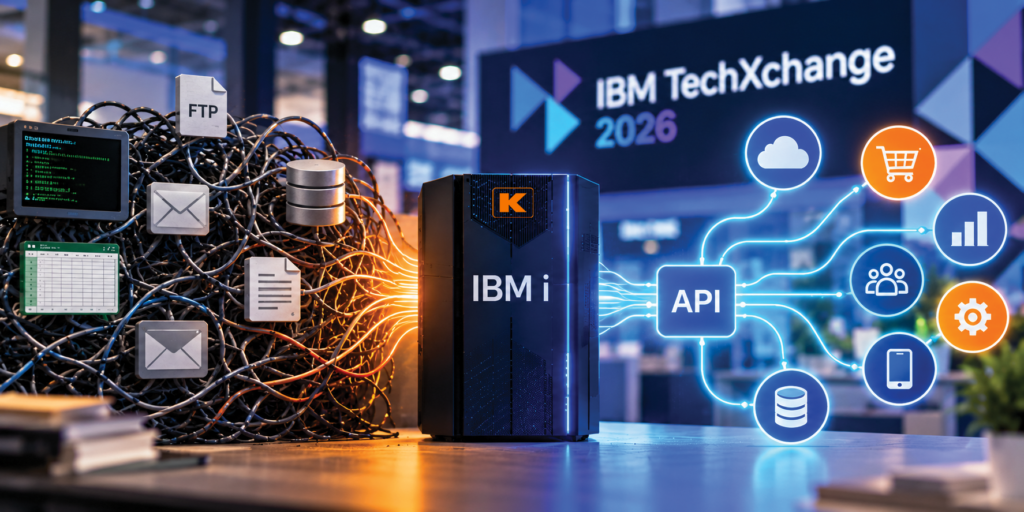
IBM i has earned its reputation as a dependable platform for mission-critical business applications. Across manufacturing, distribution, retail, logistics, and other industries, organizations continue to rely on IBM i for order processing, inventory management, financial transactions, and essential business operations. But while the core applications may remain reliable, the integrations surrounding them can become increasingly […]
Kato Integrations at IBM TechXchange 2026: Connecting IBM i to What’s Next
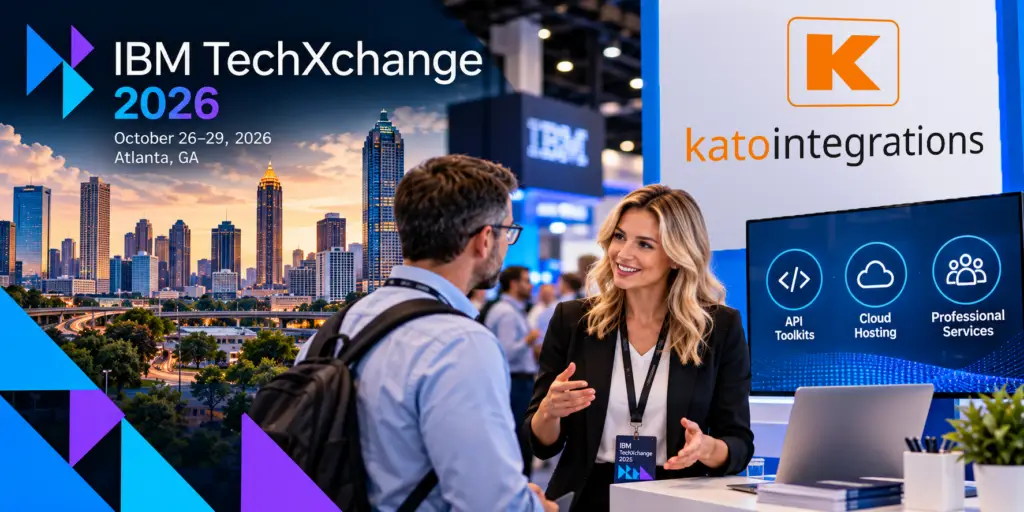
The future of enterprise technology is increasingly connected, and IBM i continues to play an important role in that evolution. As businesses adopt artificial intelligence, cloud applications, automation, and modern development tools, one challenge remains consistent: connecting new technologies with the trusted systems that already run critical business operations. For organizations running IBM i, that […]
IBM i Integration Architecture for 2027: Building a More Connected, Flexible Enterprise
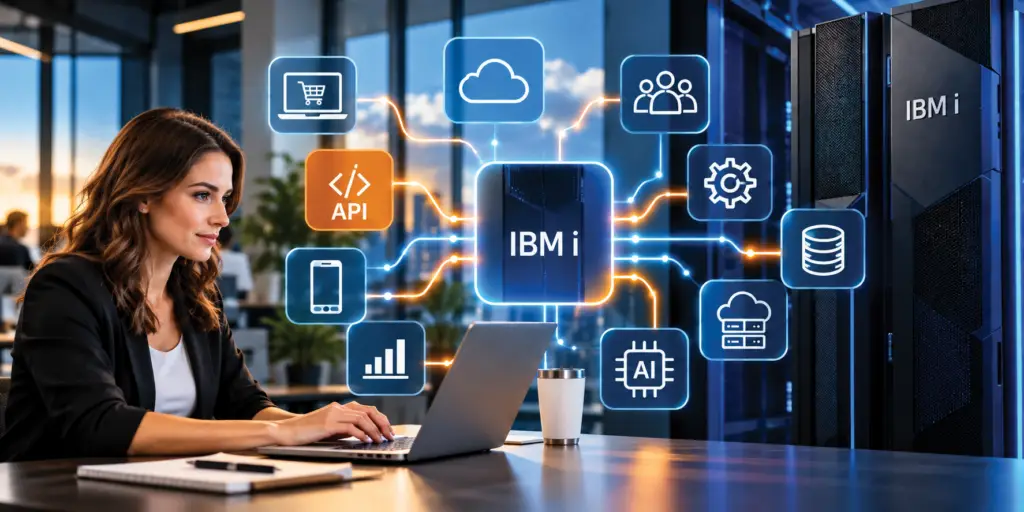
IBM i continues to run some of the most important applications inside modern businesses. Orders, inventory, pricing, manufacturing, customer information, financial transactions, and decades of business logic may all depend on the platform. But the environment surrounding IBM i has changed. Organizations now need those applications to communicate with cloud platforms, mobile applications, customer portals, […]
IBM i Modernization Roadmap for 2027: 8 Priorities to Start Planning Now
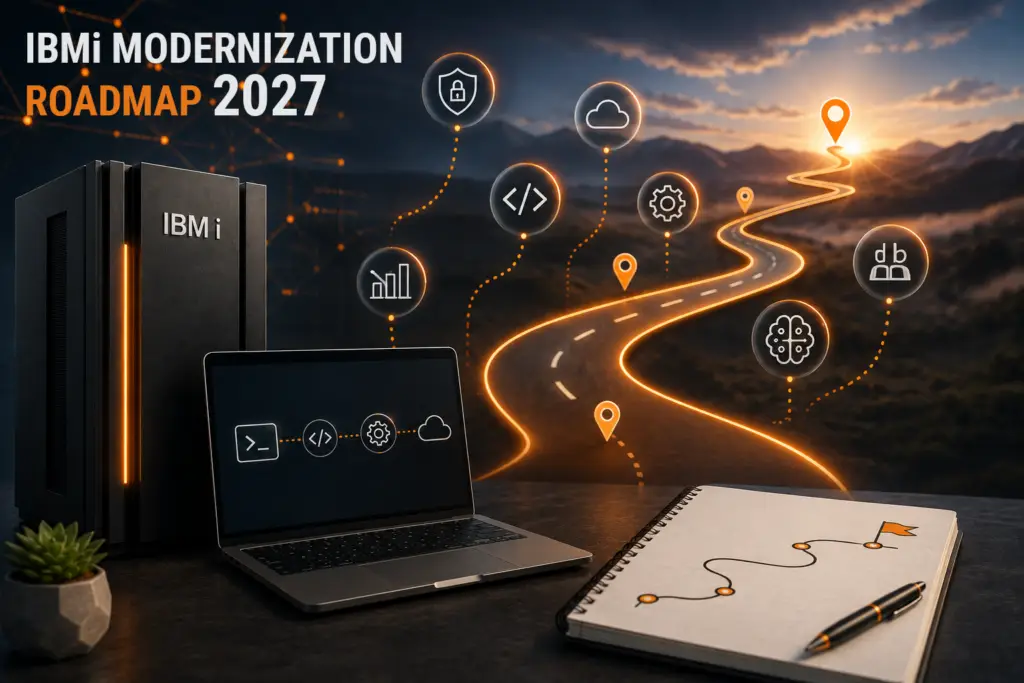
As organizations begin planning technology priorities for 2027, IBM i modernization is likely to remain high on the agenda. But modernization does not have to mean replacing IBM i. For many organizations, the better question is: How can we make the IBM i applications we already trust easier to integrate, maintain, secure, automate, and extend? […]
Event-Driven IBM i Integration: Moving Beyond Batch Processing in 2026

For decades, batch processing has been a dependable part of IBM i operations. Files are generated. Jobs run on schedules. Data moves between systems overnight or at predetermined intervals. For many processes, that model still works. But today’s businesses increasingly expect something different. An order is placed, and inventory should update immediately. A shipment leaves […]
Closing the IBM i Skills Gap: A Practical Modernization Strategy for 2026

IBM i continues to support mission-critical operations for organizations across manufacturing, distribution, retail, finance, logistics, and other industries. Its reliability is rarely the problem. The growing challenge is ensuring organizations have the people, knowledge, and development practices needed to support the platform for years to come. The IBM i skills gap is not simply a […]
IBM i Automation: How APIs Help Eliminate Manual Business Processes

Every business has processes that consume valuable time. Manual data entry, spreadsheet imports, email notifications, inventory updates, and order processing all require resources that could be spent on higher-value work. For organizations running IBM i, automation has become one of the most practical ways to improve efficiency without replacing existing applications. By combining IBM i […]
Why IBM i Integration Is Essential for Digital Transformation in 2026

Digital transformation continues to reshape how organizations operate, communicate, and deliver value to customers. In 2026, businesses are expected to move faster, automate more processes, and provide seamless digital experiences across every platform. For organizations running IBM i systems, achieving these goals depends heavily on one thing: integration. Modern IBM i integration strategies allow businesses […]
How IBM i APIs Improve Real-Time Data Access

In 2026, businesses expect immediate access to information. Whether it’s inventory availability, order status, customer activity, or operational metrics, real-time visibility has become essential for decision-making. For organizations running IBM i systems, this creates both a challenge and an opportunity. The challenge is connecting traditional systems with modern applications that demand instant data. The opportunity […]
Top IBM i API Use Cases Driving Business Value in 2026

As organizations continue to modernize their technology stacks, IBM i APIs are playing a critical role in connecting legacy systems with modern applications. In 2026, the focus is no longer just on modernization — it’s on delivering real business value through integration. By exposing IBM i functionality through APIs, companies can unlock new capabilities without […]