
7 Signs Your IBM i Integrations Are Creating Technical Debt (and How to Fix Them)
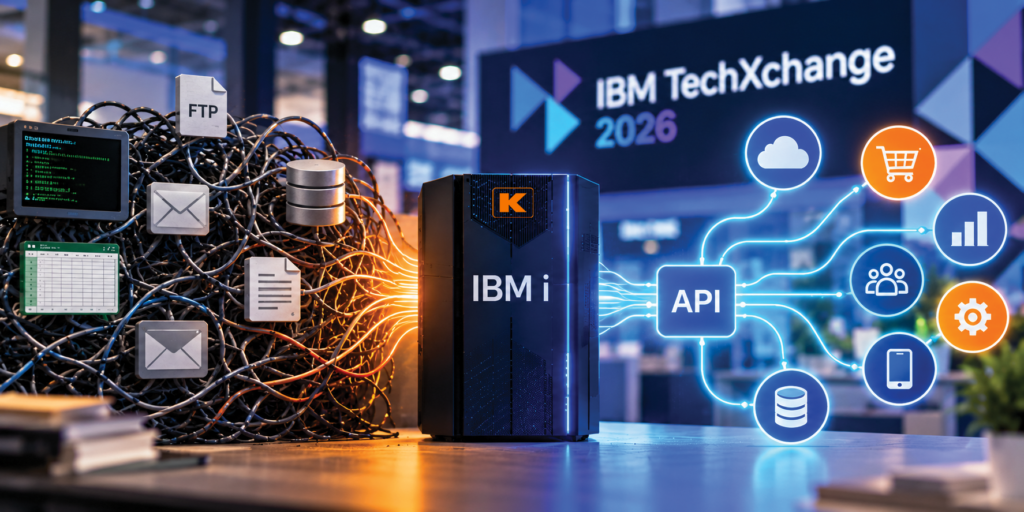
IBM i has earned its reputation as a dependable platform for mission-critical business applications. Across manufacturing, distribution, retail, logistics, and other industries, organizations continue to rely on IBM i for order processing, inventory management, financial transactions, and essential business operations. But while the core applications may remain reliable, the integrations surrounding them can become increasingly […]
Kato Integrations at IBM TechXchange 2026: Connecting IBM i to What’s Next
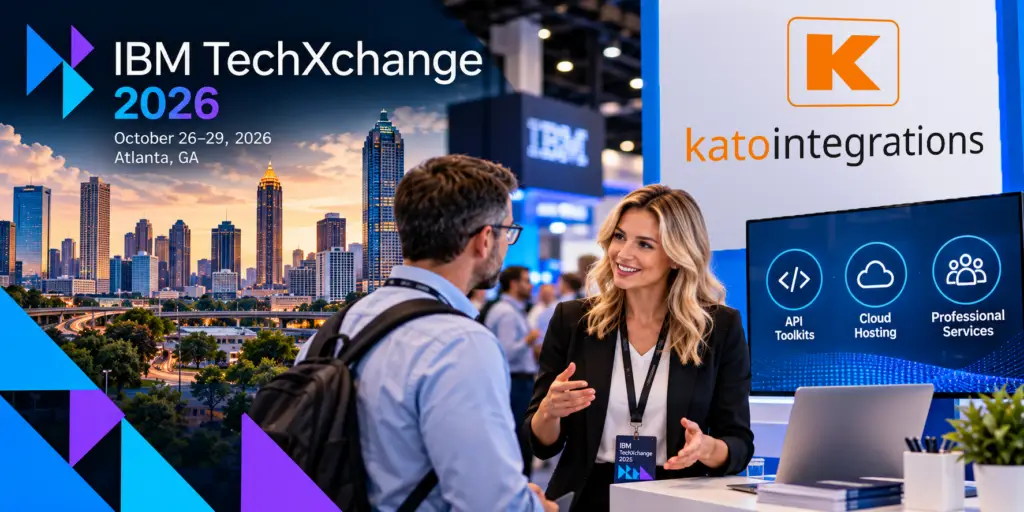
The future of enterprise technology is increasingly connected, and IBM i continues to play an important role in that evolution. As businesses adopt artificial intelligence, cloud applications, automation, and modern development tools, one challenge remains consistent: connecting new technologies with the trusted systems that already run critical business operations. For organizations running IBM i, that […]
IBM i API Governance: How to Manage APIs as Your Integration Strategy Grows
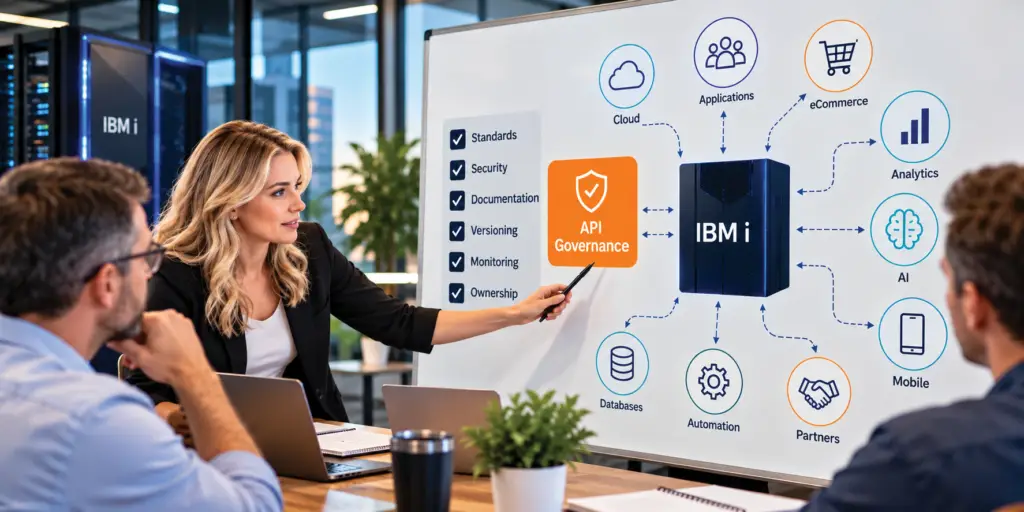
Building your first IBM i API is one challenge. Managing 10, 50, or potentially hundreds of APIs is another. As organizations modernize IBM i, APIs increasingly connect RPG applications and business data with cloud platforms, customer portals, mobile applications, eCommerce systems, analytics tools, automation platforms, and AI. That connectivity creates tremendous flexibility. It can also […]
IBM i Integration Architecture for 2027: Building a More Connected, Flexible Enterprise
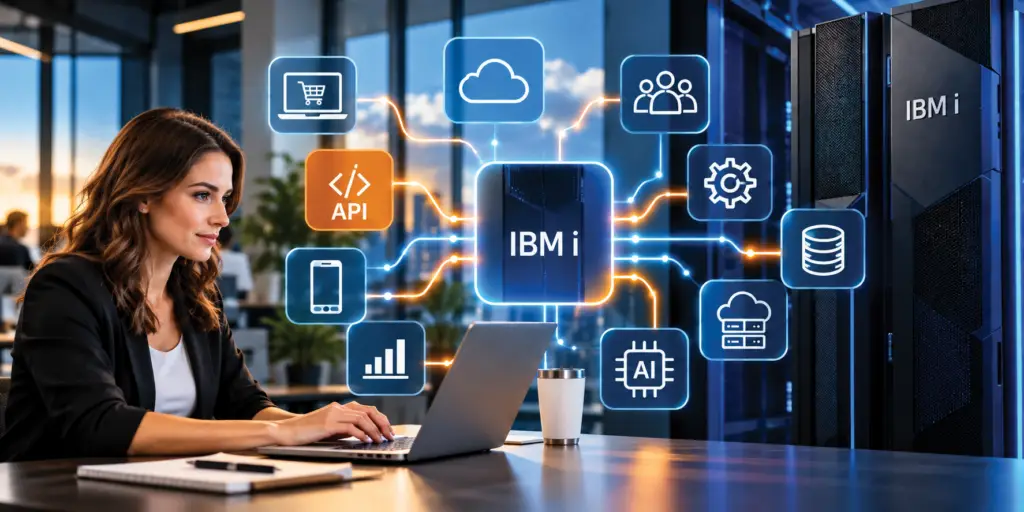
IBM i continues to run some of the most important applications inside modern businesses. Orders, inventory, pricing, manufacturing, customer information, financial transactions, and decades of business logic may all depend on the platform. But the environment surrounding IBM i has changed. Organizations now need those applications to communicate with cloud platforms, mobile applications, customer portals, […]
Kato Integrations is a sponsor at inPOWER 2026
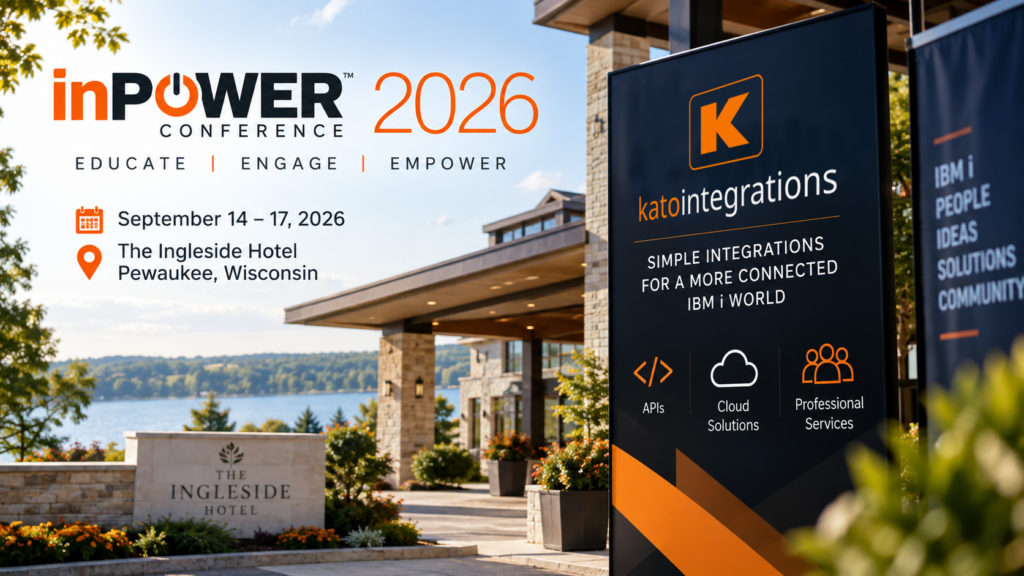
Kato Integrations is heading to Wisconsin! We’re proud to be a sponsor and exhibitor at inPOWER 2026, taking place September 14–17, 2026, at The Ingleside Hotel in Pewaukee, Wisconsin. inPOWER brings together the Infor and IBM i community for several days of education, networking, and practical conversations around the technologies businesses rely on every day. […]
IBM i Modernization Roadmap for 2027: 8 Priorities to Start Planning Now
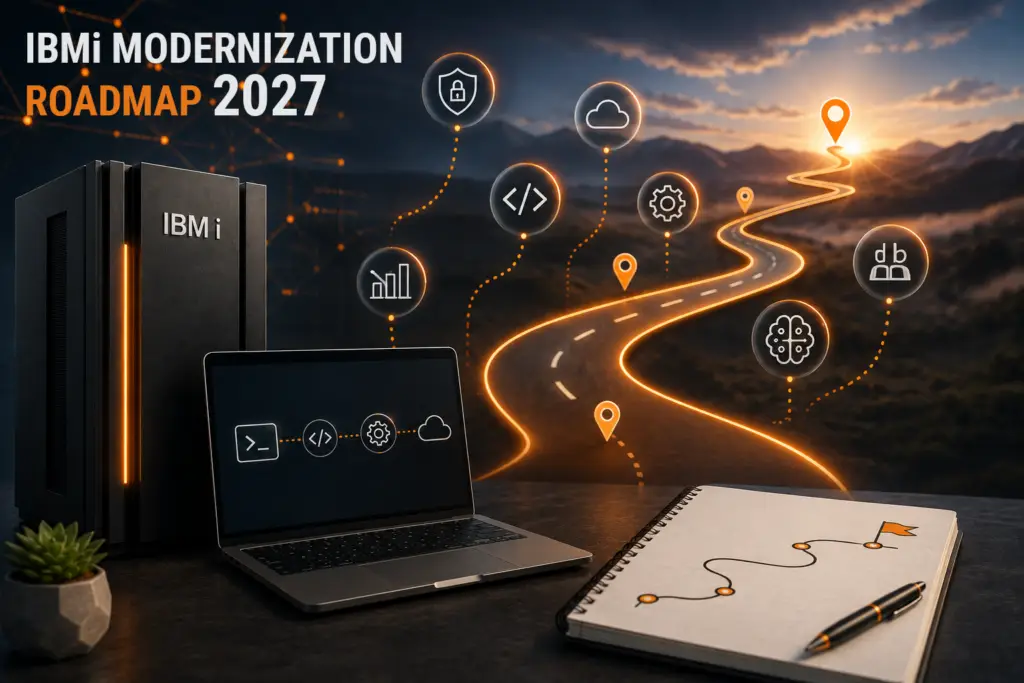
As organizations begin planning technology priorities for 2027, IBM i modernization is likely to remain high on the agenda. But modernization does not have to mean replacing IBM i. For many organizations, the better question is: How can we make the IBM i applications we already trust easier to integrate, maintain, secure, automate, and extend? […]
IBM i DevOps: How Modern Development Practices Can Accelerate RPG Modernization
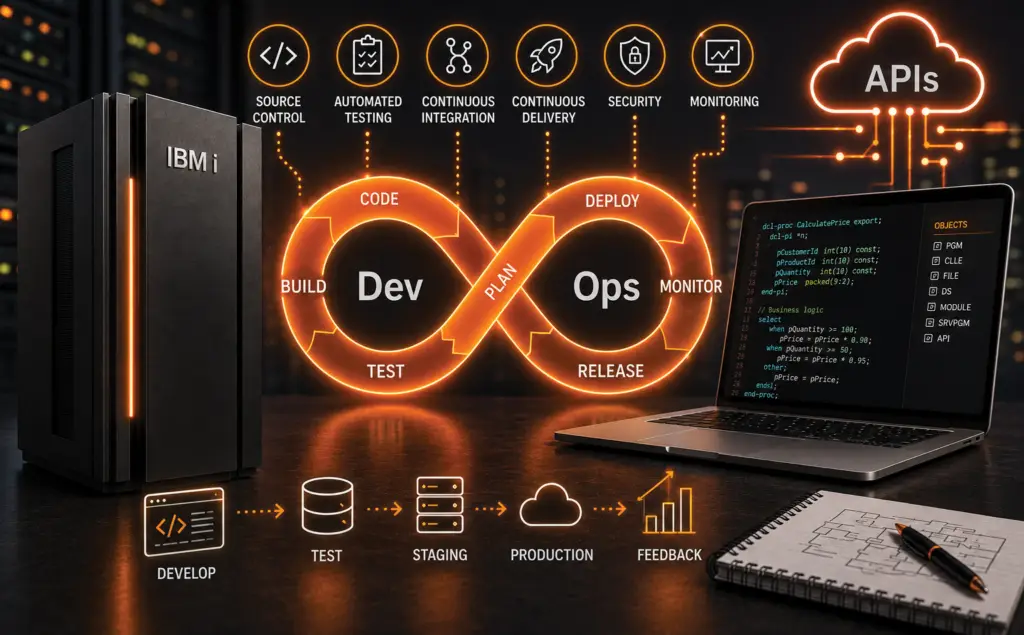
IBM i applications may be known for stability, but the way organizations develop, test, and deploy those applications does not have to remain unchanged. Development teams today are expected to deliver enhancements faster, respond to changing business requirements, integrate with more applications, and maintain increasingly complex environments. For IBM i teams, that makes DevOps an […]
Event-Driven IBM i Integration: Moving Beyond Batch Processing in 2026
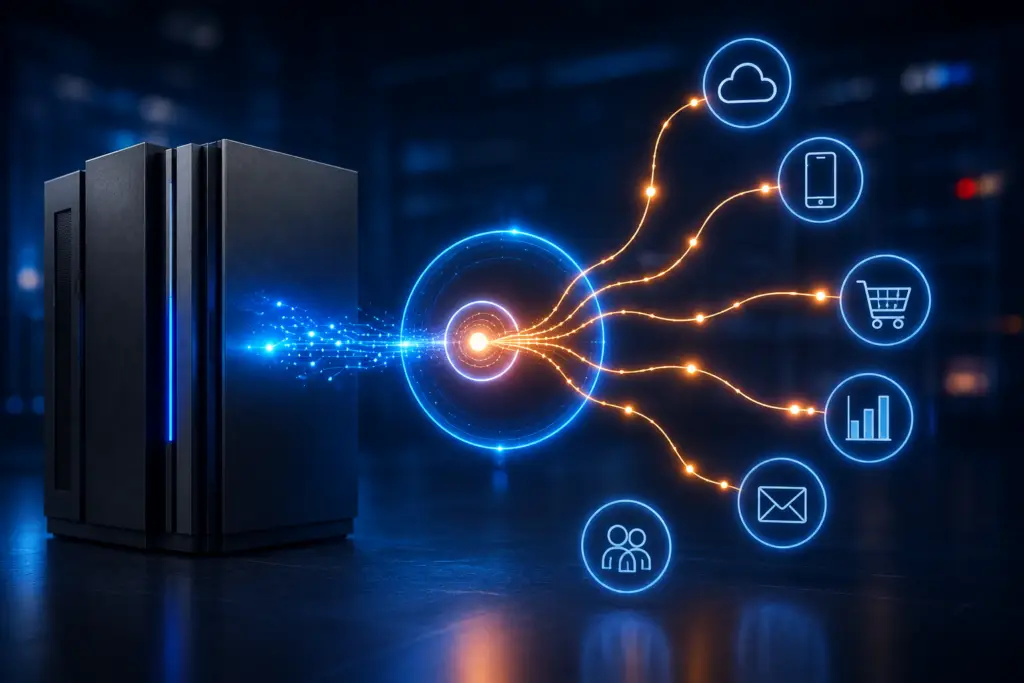
For decades, batch processing has been a dependable part of IBM i operations. Files are generated. Jobs run on schedules. Data moves between systems overnight or at predetermined intervals. For many processes, that model still works. But today’s businesses increasingly expect something different. An order is placed, and inventory should update immediately. A shipment leaves […]
IBM i API Monitoring: How to Keep Modern Integrations Reliable
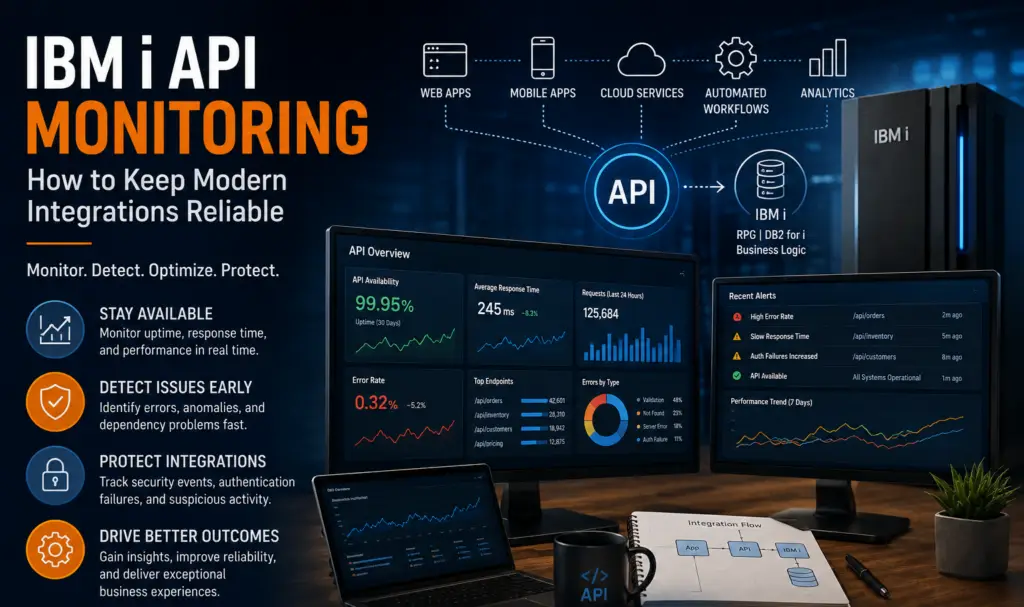
Creating an API is only the beginning of an IBM i integration strategy. Once an API begins supporting customer portals, mobile applications, cloud platforms, analytics tools, or automated workflows, the organization must ensure that it remains available, secure, and responsive. That is where IBM i API monitoring and observability become essential. By tracking API performance, […]
Modernize RPG Without Rewriting: How Free-Form RPG and APIs Work Together
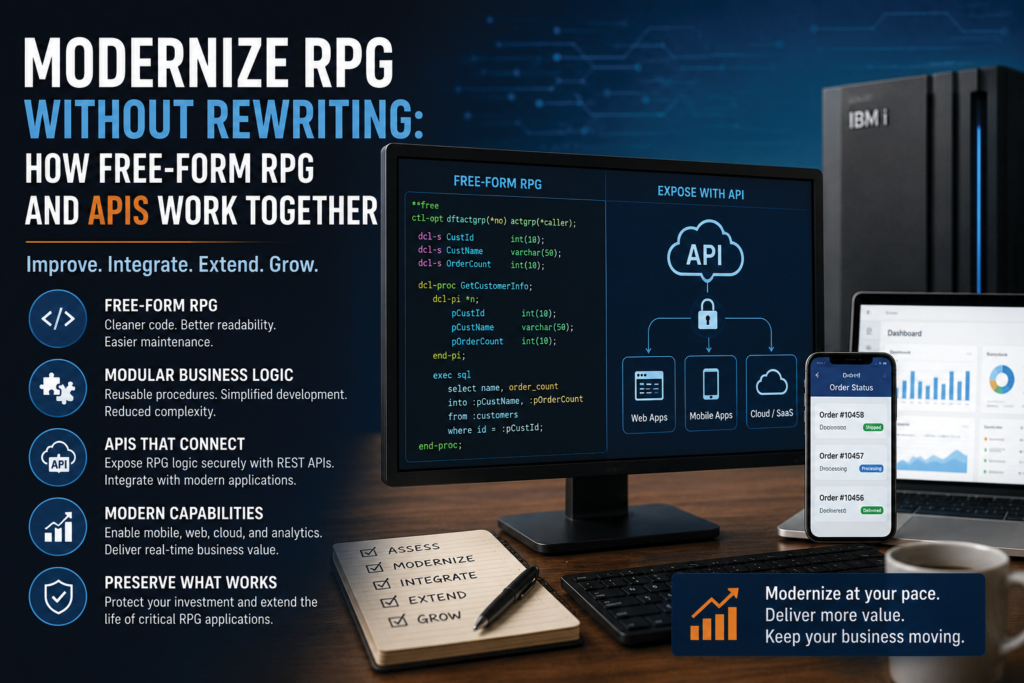
For many organizations, RPG applications remain at the center of essential business processes. They manage orders, inventory, pricing, production, customer accounts, financial transactions, and other operations that cannot afford unnecessary disruption. The challenge is not that these applications have stopped working. The challenge is making them easier to maintain, integrate, document, and extend as business […]